
Starting out in affiliate marketing can feel a bit like picking your first phone plan—so many options, each with its perks and fine print. Finding a program that’s a good fit is super important if you want to see results and actually enjoy the process. I’ve tried quite a few programs myself, and the right choice can make a world of difference in your experience and your earnings. This guide lays out exactly what beginners should look for to pick their ideal affiliate program and kickstart their adventure the right way.
Why Choosing The Right Affiliate Program Matters
The affiliate marketing world is booming. Recent stats show the industry is worth over $17 billion globally, and new programs are popping up all the time. There’s real potential to earn income passively, but only if you’re working with a program that matches your goals, your audience, and how you prefer to operate. Jumping into the first program you find can lead to frustration. Low conversions, poor support, or even issues with getting paid can hold you back in the long run.
I’ve seen beginners get discouraged when they choose a program that sounds great up front but doesn’t actually work for their content style or the way they like to get involved with an audience. Taking the time to do a bit of homework helps you avoid common headaches down the line and sets you up for a smoother start.
Understanding Affiliate Marketing Basics
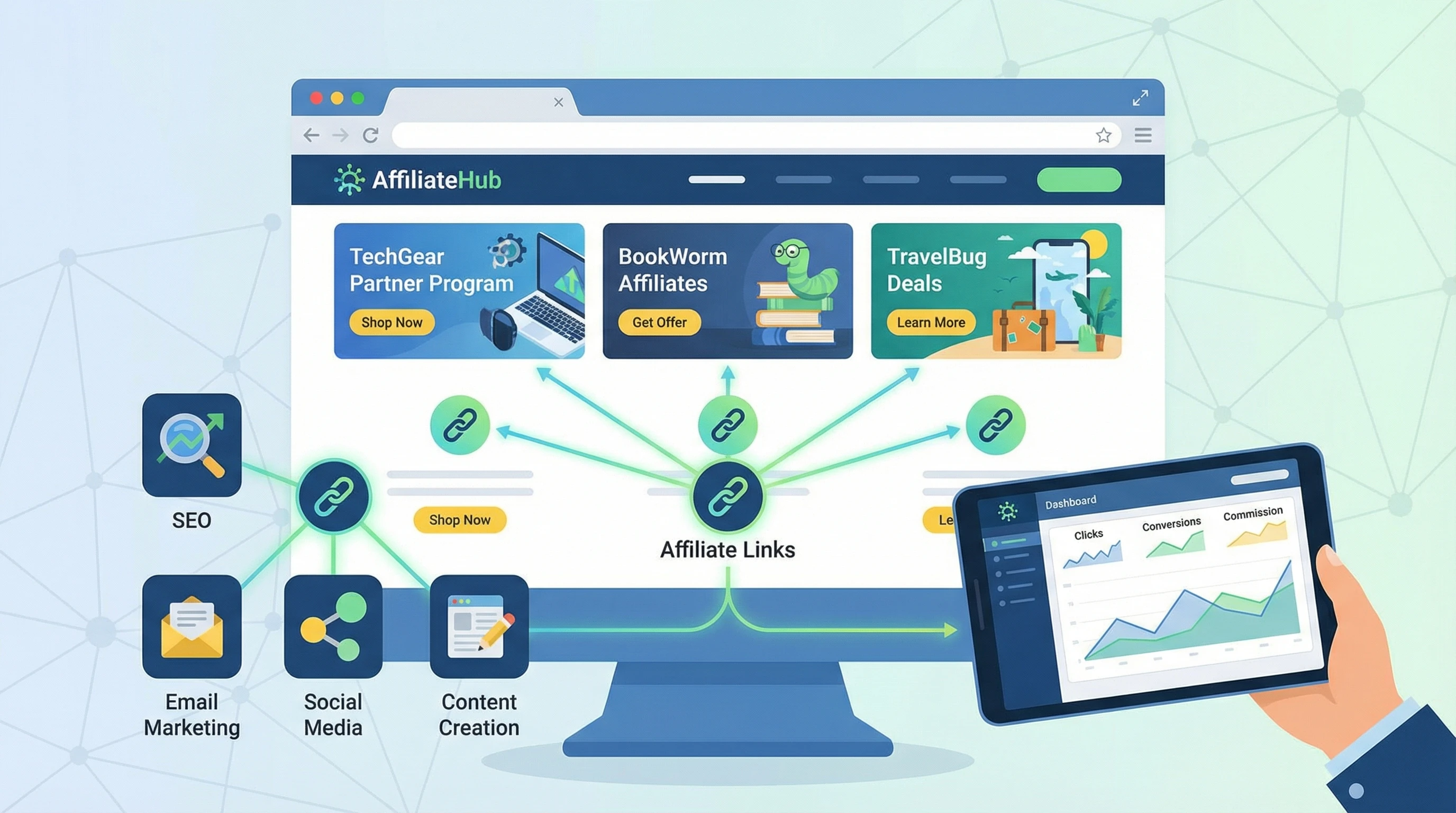
If you’re new to this, here’s how affiliate programs work: You, the affiliate, promote someone else’s product or service using a unique referral link. When your followers click through that link and make a purchase, you earn a commission. Simple enough, but every program comes with its own setup, commission structure, cookie duration (how long your link tracks the sale), and different payout methods.
There are a few core terms you’ll see a lot:
- Commission rate: The percentage or flat amount you make per sale.
- Cookie duration: How long after a user clicks your link they’ll still count toward your commissions.
- Payout threshold: The minimum amount you need to earn before you get paid.
- Approval process: Some programs auto-approve, while others review each applicant.
How To Find the Best Affiliate Program as a Beginner
Not every program is built for those just starting out. Here’s how I narrow it down and what I always pay close attention to:
- Pick a Program That Matches Your Niche: If you’re blogging about fitness, look for fitness gear or coaching programs. Promoting something random (like web hosting on a cooking blog) often feels forced and loses trust with your readers.
- Check the Support and Resources: Good programs make your life easier with banners, product feeds, and maybe even training. I always favor networks that actually want to help affiliates succeed, not just push links.
- Consider Minimum Payouts and Payment Methods: If you need $100 before you can cash out, make sure that matches your expected sales volume. Also check how you’ll get paid. PayPal, bank transfer, or something else all make a difference.
- Look for Transparent Tracking and Reporting: Real time stats help you get a sense of what’s working. If you can’t see reliable stats, it’s really hard to optimize anything.
- Research the Brand’s Reputation: Google reviews, affiliate forums, or even Reddit are pretty useful for spotting if others have run into payment issues or sketchy practices. Good communication and trustworthiness are big green flags.
Key Factors Every Beginner Should Consider
Choosing a program is more than just chasing after the highest commission rate. Here are details that matter more than you might guess:
- Cookie Duration: Longer cookies (30+ days) mean you have a better shot at earning commissions even if your reader takes time to decide.
- Product Popularity: It’s a lot easier to sell something people are searching for. Checking Amazon Best Sellers or using Google Trends can show how hot a product or service really is.
- Refund and Cancellation Policies: If customers can easily refund, your commission might get clawed back. Solid policies help keep earnings stable.
- Conversion Rates: Sometimes lower-commission products with higher conversion rates actually earn you more overall. Some programs share their average conversion stats—it’s worth checking them out if you can find them.
- Terms of Service: Always read the rules. Some programs have limits (like no paid ads or email marketing), and breaking them can get you booted with no warning.
Common Affiliate Program Hurdles and How To Handle Them
I’ve definitely hit some bumps on the affiliate trail, and I see beginners run into the same handful of issues again and again. Here’s how to avoid common mistakes:
- Payout Delays: Sometimes, payments take a while because of long validation windows or manual reviews. Track your earnings and read the payout schedule carefully.
- Low Sales Volume: Expect a learning curve. It takes time to get a sense of what products fit your style and what your followers are looking for. Testing different offers is part of the process.
- Getting Approved: Some bigger brands (like Amazon) auto-approve almost anyone, while others want a bit more. Maybe your website or social media needs to get to a certain level. If you get denied, see it as feedback and try again after improving your site or platform.
- Affiliate Link Management: If you join multiple programs, managing all your links can get messy fast. I like using link shorteners or a plugin to keep things organized and tidy.
Payout Delays
This one’s pretty common, especially with international programs. I always make a note of payout dates and watch for emails about pending transfers. If a program is late, it’s totally fair to reach out to support and ask for updates.
Low Sales Volume
Don’t get discouraged by quiet months. Sometimes all it takes is one product switch or catching a trend at just the right time to switch your results up. Tracking what content brings in clicks (or doesn’t) helps you focus your effort where it pays off most.
Getting Approved
Some programs want to see that you have real traffic or engagement before letting you in. If you’re just starting, focus on building up your site or social media a little, then circle back and reapply. Most brands like to see even a small audience that’s genuinely interested.
Managing Links
I’m a fan of using simple tools like Pretty Links or ThirstyAffiliates plugin (for WordPress users). These keep things organized and make updating links much easier if a program changes your URLs.
—
Standout Features Beginners Should Look For
When you’re new, you want a program that doesn’t overwhelm you with complicated requirements or strict rules. Here are features I always love to find:
- Auto-Approval or Quick Onboarding: Some programs, like Amazon Associates or CJ Affiliate, let you start right away, which is much less intimidating for beginners.
- Flexible Promotion Rules: Being able to use your links on blogs, social platforms, or emails gives you more ways to make money from your content.
- Solid Reporting Dashboard: Instant stats, clear earnings, and top performing links all on one page make life easier as you learn.
- Good Support: Programs with responsive affiliate managers or help desks can save you a lot of frustration if you hit a roadblock.
Real-Life Examples: How Niche and Product Choice Pay Off
Imagine you run a home gardening blog. Instead of joining a random electronics affiliate program, you get on board with one that sells organic seeds or planters. Your audience already enjoys gardening content, so your promotions feel right at home and sales come more naturally. On the other hand, if you have a YouTube channel dedicated to tech reviews and join an electronics program, your promotions will be more on-target, and you’ll likely see better commissions from a relevant audience.
Small tweaks like choosing programs aligned tightly with your brand and audience make a real difference in how involved your followers are, and how much you earn per click. This approach also keeps your content feeling natural and helpful, not pushy or spammy.
Frequently Asked Questions
I get a lot of beginner questions, so here are some honest answers:
Question: How many affiliate programs should I join at first?
Answer: I recommend starting with one or two so you don’t get overwhelmed. Once you get a feel for how to create content and track earnings, you can expand.
Question: Do I need a website to join affiliate programs?
Answer: Not always! Some programs let you use social media or YouTube instead. But having your own website gives you way more control and looks more professional.
Question: What’s the average commission rate I can expect?
Answer: It really varies. Digital products are often higher (15-50%), while physical goods like Amazon’s are lower (3-10%), but higher volume can make up for this.
Getting Started: What To Do Next
Picking the right affiliate program as a beginner sets the tone for your entire experience. Take it one step at a time. Do a bit of research, start small, and stay focused on programs that match your interests and audience. Once you’ve found one or two you like, see how they support beginners and look for resources and community support to help along the way.
Building up with the right fit from the beginning helps you stay motivated, learn faster, and actually start seeing real results. If you want more info on top beginner friendly affiliate programs, there are some super detailed reviews out there worth checking out. You’ll stumble upon even more features that can save you time and give a boost to your earnings.