
Affiliate marketing is a popular way to start earning online. There’s no need to own your own products, handle shipping, or deal with customer service headaches. By sharing links to other people’s products and earning a commission when someone buys through your link, you can quickly build a side hustle or lay the groundwork for a full business. If you’re just getting into this, building an affiliate website over a single weekend is totally within reach, and it sets you up to grow your income down the road. Here’s an easy-to-follow, actionable guide—even if you’ve never built a website before.
What Is Affiliate Marketing and How Does It Work?
Affiliate marketing lets you earn money by recommending products or services online. When people click your special tracking link and make a purchase, you get a commission. It’s a hands-off way to earn, making it popular for side hustlers and folks who want to earn from anywhere. You don’t need a warehouse or a big upfront investment; all you really need is a platform to share useful content and promote products you stand behind.
The usual process works like this:
- Sign up for an affiliate program: Choose from giant networks like Amazon Associates, ShareASale, or smaller niche companies.
- Pick products or services to promote: Go for items you actually like or believe will help your readers.
- Add affiliate links to your website content: Special links track clicks and sales so you get your commission.
- Get paid a percentage of sales: How much you earn and how often you’re paid depends on the program.
For a good beginner’s background, Affilorama breaks down the basics of affiliate marketing in a way that’s well worth checking out.
Setting Up Your Affiliate Website Fast
Getting your site live doesn’t have to take weeks. With today’s website tools, you can set up a simple site—even with zero tech experience. Here’s a quick roadmap to keep things simple:
- Pick a Niche: Focus on a certain topic (like fitness, pet care, or tech gadgets). Zeroing in helps you reach a more specific and engaged audience.
- Buy a Domain and Hosting: Services like Namecheap or Bluehost make it easy. Stick with top level domains (like .com or .net) for trustworthiness.
- Install WordPress or Website Builder: WordPress is super popular for affiliate sites, and most hosts offer a “one-click install,” saving you time and confusion.
- Pick a Simple Theme: Choose a clean, mobilefriendly theme—plenty of free ones are available. Don’t get stuck tweaking the design forever; opt for easy-to-read layouts.
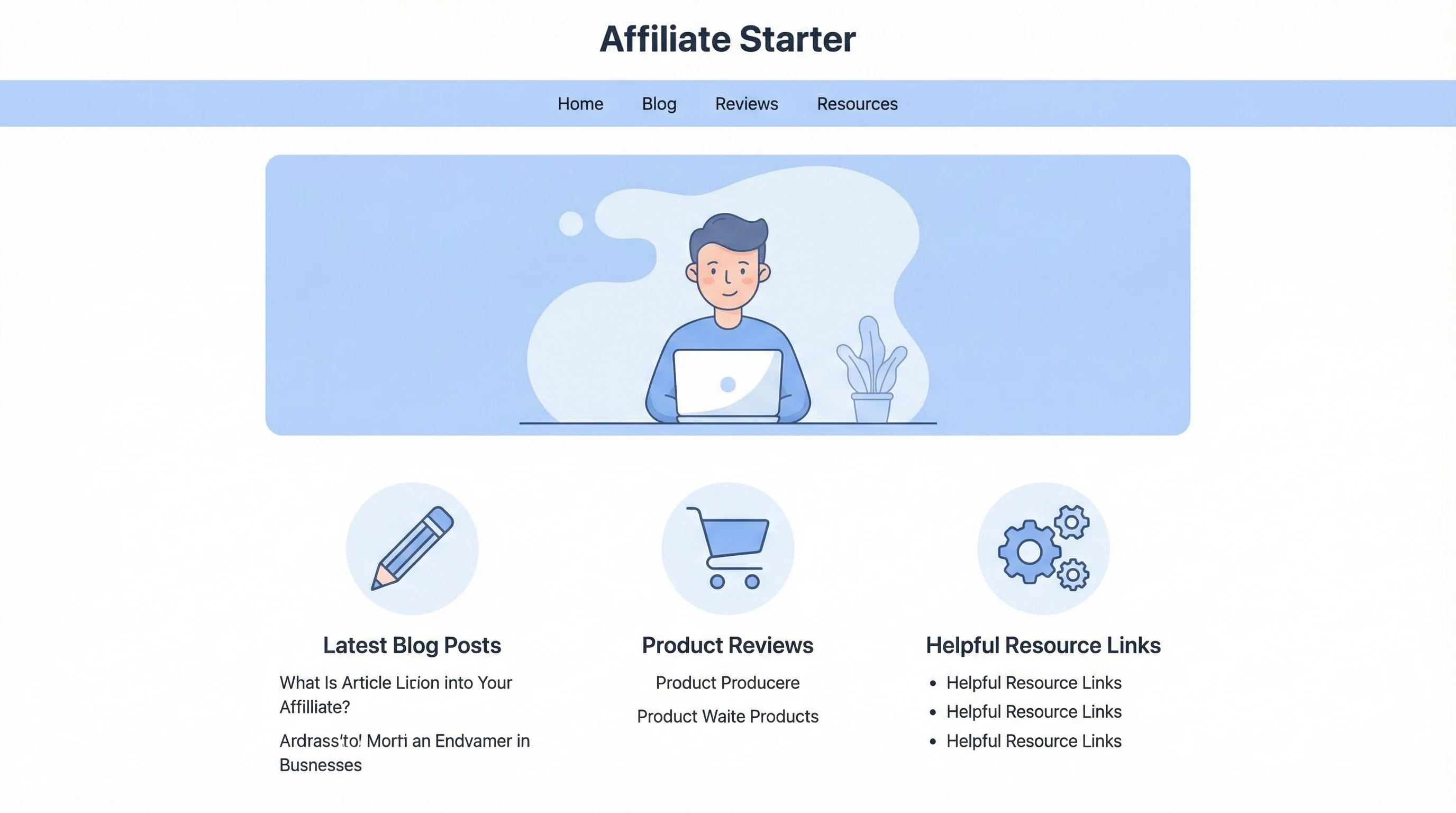
- Create Your Website Structure: At the very least, set up: Home, About, Contact, and Blog (or Reviews) sections.
My advice is don’t overthink the first two steps. Picking a niche you actually enjoy means you’ll be more likely to stick with it and avoid losing motivation halfway through.
Choosing Profitable Affiliate Programs
Loads of companies offer affiliate programs, but some are more rewarding (and trustworthy) than others. Here’s how to narrow down your first selections:
- Check the commission rate: Digital goods and software tend to pay more—sometimes 20-50%—while physical products (like what you find on Amazon) are usually lower (2-8%).
- Look at the cookie duration: This means how long you earn credit for after someone clicks your link. Longer is better; 30-90 days beats 24 hours.
- Reputation and payouts: Only work with brands that pay consistently and are well reviewed. Google them or check sites like Trustpilot.
- Support and resources: See if the program offers banners, landing pages, or tutorials to help you succeed.
You don’t have to get into a dozen programs at once. Popular starting options include Amazon Associates, ShareASale, and CJ Affiliate. Pick a couple that fit your niche.
Quick Guide: Building Your Site in a Weekend
This two-day plan makes launching realistic, even if you’re new:
- Day One:
- Buy your domain and hosting plan.
- Install WordPress or your chosen site builder.
- Pick a theme and set up your key pages (Home, About, Contact).
- Set up a business email connected to your site for professional communication.
- Day Two:
- Sign up for 1-3 affiliate programs relevant to your niche.
- Write an introductory review post or a “best of” roundup with products from these programs.
- Add your affiliate links (using tools provided by the affiliate networks).
- Make sure your About and Contact pages are clear and inviting.
- Publish your site and give it a test run on your phone and desktop.
If something is confusing, search Google or YouTube for a quick solution—almost every issue has answers out there. Take it as a fun challenge, and progress feels much easier.
Common Beginner Mistakes and How To Avoid Them
Getting into affiliate marketing isn’t a huge leap, but it does come with a few traps. Here are some beginner errors, and how to get around them:
- Too Many Topics: Trying to cover multiple random niches will stretch you too thin. Stick to one subject to build trust with readers and improve search engine rankings.
- Pushy Content: Writing overly salesy or copied material turns visitors away. Focus on being genuinely helpful and writing honest reviews.
- Ignoring SEO: Posting without any keyword strategy makes it hard for people to stumble upon your site. Use simple research tools like Ubersuggest to find out what’s actually being searched for.
- Poor Website Layout: If your design is cluttered or confusing, people won’t stay. Stick to clear menus, headings, and well-organized content.
The key is to put yourself in your reader’s shoes. Ask what you’d want answered before buying, then deliver that info in your posts.
Extra Tips to Grow Your Affiliate Website
After your launch, there are plenty of ways to attract more readers and step up your earnings. Here are some actionable tips that get results:
- Add Value Beyond Product Links: Try writing tutorials, sharing personal stories, or offering detailed comparisons. This builds loyalty and trust with your readers.
- Use Simple Graphics or Screenshots: Adding visuals can help make complex points clearer and lets you compare products at a glance. Canva is a free, easy design tool to try.
- Internal Linking: Whenever posts relate, link between them. This keeps people browsing your website longer and improves your search rankings.
- Collect Emails Early: Even a basic email sign-up box is gold. It gives you a direct line to your readers for new content or offers.
- Test and Experiment: Mix up your post formats—try “top 5 lists,” add video reviews, or put together quick-buy guides to see what readers respond to best.
If motivation dips, check out other successful sites in your niche for ideas (but never copy their content).
Technical Stuff: What Tools and Plugins Actually Help?
No reason to overload your site—only a handful of tools are truly helpful at the start:
- ThirstyAffiliates: Tames long affiliate links and makes them neater.
- Yoast SEO: This plugin makes it super easy to tweak posts for better search engine performance.
- Elementor: Lets you make modern pages and layouts using drag-and-drop controls.
- WPForms: A simple contact form creator that’s a cinch to use.
Most of these options are free, and you can always add more once your audience and income grow.
Frequently Asked Questions on Getting Started
How soon can I make money with affiliate marketing?
It really depends—most people see their first commission after a few weeks or months. Picking the right focus and sharing useful info helps quicken that first payout.
Do I need a big audience to make affiliate sales?
Not at all! Even small, tight-knit groups convert well if your content matches their interests. Quality is much more important than numbers early on.
Can I use social media instead of a website?
You can get started that way, but having a website gives you more control and better long-term growth for SEO and steady traffic. Social media is great for sending visitors to your site, too.
Bottom Line: Your Weekend Affiliate Site Launch
Building an affiliate site over a weekend is 100% doable if you stick to a solid plan. Keep things simple in the beginning, prioritize honest and useful content, and post regularly. The affiliate world might feel crowded, but there’s always demand for honest, helpful guides and solutions. Stick with it and learn from those already seeing success; your first commissions won’t be far behind.